
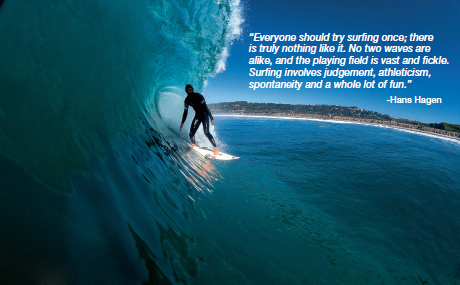
EXPERT ADVICE: HOW TO SURF
Hans Hagen, a professional surfer turned adventure travelerfrom Laguna Beach, California, has been part of the firstsurfing expeditions to far-flung locales like the Outer Hebrides and the Shetland Islands in Scotland, Nova Scotia, India, Africa and the Philippines. Who better to give a surfing lessonto Quixtar EDC Dean Kosage and his 8-year-old daughter,Teagan? Dean, an adventure junkie who was raised on boats in the Florida Keys, is an accomplished windsurfer but had nevertried surfing. He and Teagan were more than ready for the challenge. In Dean’s words, “I’m the opposite of a nine-to-five guy. I built my own business so I could have new experiences like hunting alligators in Guatemala, daring to learn a standing back tuck dive…and learning how to surf!”
“Chasing an eight-year-old in the surf takes its toll. With a Rhodi Blast, I can keep charging all day long.”

Understanding the Ocean
A surfing instructor can help you learn about tides,
weather patterns, channels, rip currents, intervals
(how often and how many waves come in a set) and
other factors that will affect your surfing experience.
This will help you know the best place to paddle.
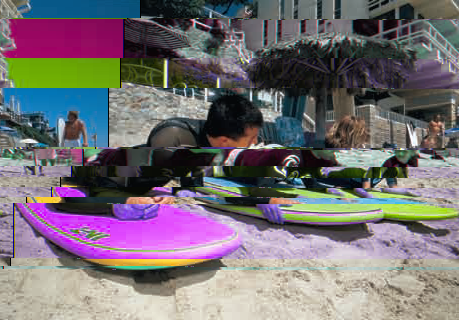
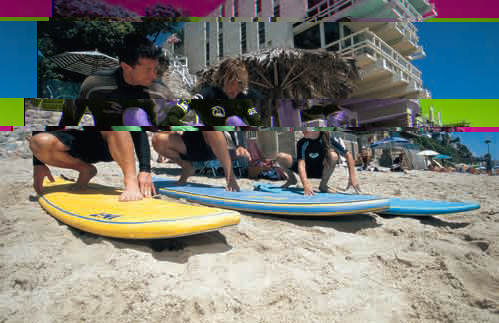
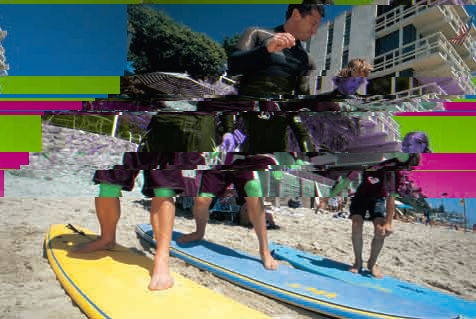
To Position Yourself On the Board, Start On the Sand
First, figure out your stance: lie down on the board on your stomach, push up with your arms, and
jump to your feet in a sideways, board-riding position. Which foot is in the back? If your right foot is
in back, you’re “regular foot.” If your left foot is in back, you’re “goofy foot.” Now you can practice
popping up on the board from a paddling position.
TIPS FROM HANS:
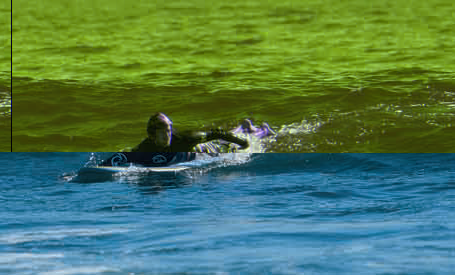
How To Paddle
Position yourself on your stomach on the board so you feel in balance. You want to be far enough back on the board so the nose doesn’t pearl (go under water). To get to the line-up, or the place where surfers are catching waves, point your board straight out, perpendicular to the breaking waves, and paddle out using a long smooth freestyle stroke. Don’t drag your feet in the water. To make it through a breaking wave that’s not too big, paddle decisively toward it and push down on the sides of your board, allowing the whitewater to pass between you and the board. In slightly bigger waves, you’ll need to learn to “turn turtle”: grab the rails, or sides, of the board and flip it over, letting the foam roll over you.
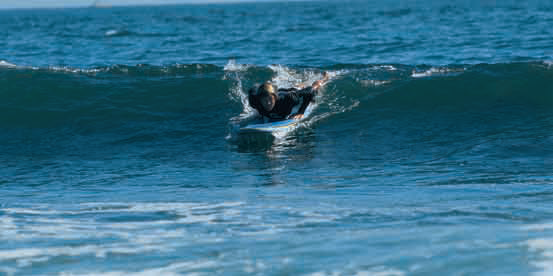
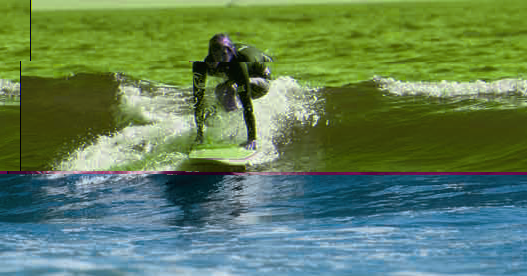
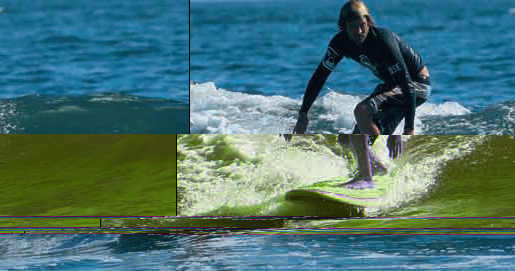
How to Catch a Wave
A surf instructor can help you get the timing down; it’s the trickiest part. Paddle into a wave that’s beginning to break with your back slightly arched and your chest up. When you feel the wave pick you up, pop up and spring to your feet in the stance you practiced on the sand. Find your balance, back foot towards the tail of the board, centered. Keep your ankles and knees flexible; it’s always easier to keep your balance from a slightly crouched position.


